Teacher Can Do Virtually Anything: A Powerful Graphic Design Asset for Crafts and Content Creators
As an experienced blog designer and digital publisher, I’m always on the lookout for graphic design assets that can elevate content visuals without requiring hours of work. Teacher Can Do Virtually Anything is one such asset that immediately caught my eye—not just for its aesthetic appeal, but for how well it aligns with editorial quality and brand identity needs across multiple platforms.
A First Impression That Sparks Engagement
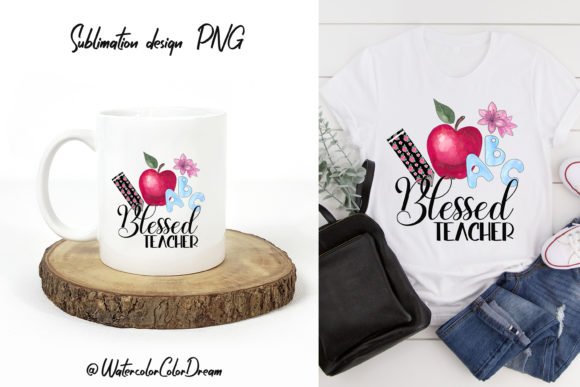
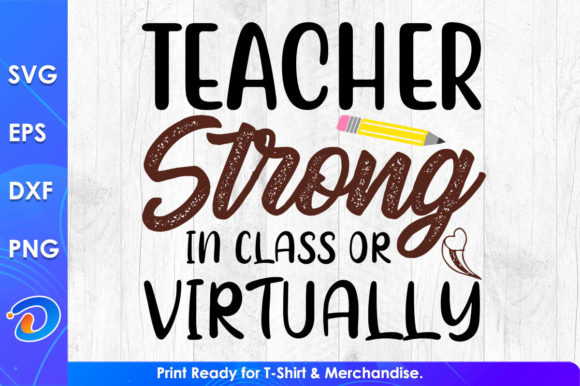
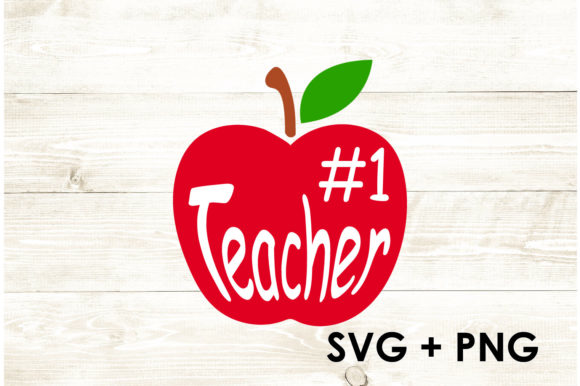
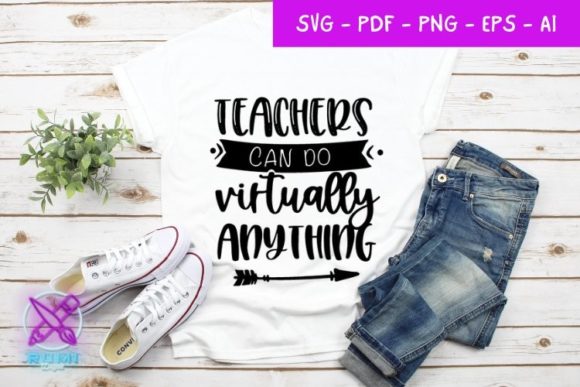
The moment I opened the file, I sensed a strong visual energy. This graphic design asset carries a warm, approachable mood with a touch of boldness—perfect for lifestyle-focused blogs, educational content, or creative marketplaces. The imagery suggests versatility and capability, making it ideal for niches like teaching resources, DIY crafts, homeschooling guides, or even professional development materials.
I found the style to be both artistic and modern, with clean lines and vibrant colors that make it stand out in a sea of generic graphics. It doesn’t scream “professional” in a corporate sense, but rather exudes a friendly, confident tone that resonates well with readers looking for inspiration and actionable advice.
Real-World Applications for Bloggers and Publishers
Teacher Can Do Virtually Anything is incredibly flexible and can be repurposed for a wide range of publishing needs. Here are some practical applications I see right away:
- Blog Featured Images: Use this asset as a background for your blog’s hero section or featured image. Its visual clarity helps create stronger first impressions and supports clear visual hierarchy when layered with text.
- Pinterest Graphics: The asset’s high resolution and engaging layout make it a natural fit for Pinterest pins. When paired with compelling headlines and call-to-action buttons, it increases click-through potential significantly.
- Newsletter Headers: Incorporate this design into your newsletter banners to reinforce brand identity and keep your audience visually engaged. The consistent look across your content builds reader trust and recognition.
- Lead Magnets and Digital Guides: Whether you're creating worksheets, printable checklists, or downloadable PDFs, this asset adds a layer of professionalism that makes your digital product more appealing and shareable.
- eBook Covers and Media Kits: If you’re designing media kits for affiliate marketing or promotional campaigns, the bold and decorative elements of this graphic can help establish a stronger visual identity for your content marketing efforts.
- Social Media Previews: From Instagram stories to Facebook posts, using this asset ensures your social media graphics feel cohesive and polished—especially if you're running seasonal promotions or themed content.
Supporting Your Brand Identity Across Platforms
One of the key strengths of Teacher Can Do Virtually Anything is its ability to maintain consistency across various formats. As a blogger or content creator, this is essential for building a recognizable brand. The design works well in both bright and muted tones, allowing you to adapt it to different seasons, holidays, or campaign themes while still preserving a unified look.
For instance, I’ve used similar assets in crafting category thumbnails for an education blog. The result was better category recognition and higher engagement from users who could quickly identify which topics were most relevant to them. With this asset, you can do the same—whether you're targeting teachers, students, parents, or hobbyists.
Where This Design Shines Brightest
This graphic design asset is particularly effective in the following areas:
- Hero Images: Its large-scale visual impact is perfect for website headers where you want to grab attention instantly.
- Article Thumbnails: Readers often scan through article lists by thumbnail alone. This design ensures your content stands out with a modern, clickable presence.
- Pinterest Pins: The vertical format and bold color palette lend themselves beautifully to Pinterest, a platform where visual appeal drives traffic.
- Content Upgrades: Pair it with a useful lead magnet, such as a printable checklist or a worksheet, and watch your conversion rates rise thanks to improved perceived value.
- Editorial Accents: Use it subtly in sidebar widgets, post footers, or as dividers between sections to enhance the overall flow and structure of your site.
- Canva Templates: If you use Canva templates for your social media or blog graphics, this asset integrates seamlessly and gives your designs a more custom feel.
When to Use It with Caution
While Teacher Can Do Virtually Anything is highly versatile, there are scenarios where it might not perform as well. For example:
- Small Mobile Thumbnails: The intricate details may get lost at smaller sizes, reducing the impact of your content.
- Text-Heavy Blog Images: Overlaying too much text on this design could compromise readability. It’s best suited for minimal copy layouts.
- Low-Contrast Backgrounds: Avoid placing this asset over backgrounds with similar hues unless you adjust the transparency or add a subtle overlay.
- BUSY LAYOUTS: In complex page structures with multiple design elements, this asset may compete for attention instead of enhancing the message.
- Corporate or Minimalist Niches: If your brand leans heavily toward minimalism or formal professionalism, consider toning down the decorative elements or using it sparingly as an accent.
Practical Tips for Using This Craft-Friendly Design
Here are some quick notes I took during testing to ensure optimal performance in real publishing workflows:
- Test on Desktop and Mobile Screens: Confirm how it scales and renders across different devices to avoid distortion or loss of detail.
- Check Thumbnail Performance: Preview the asset as a thumbnail to ensure it remains legible and attractive at smaller sizes.
- Layer with Text: Experiment with headline placement to find the sweet spot for contrast and visibility. Sans serif fonts tend to work best for readability, but don’t hesitate to try a script font for a softer touch.
- Review File Size: Optimize images for web performance. Large graphics can slow down load times, especially on mobile networks.
- Compress Carefully: Use tools like TinyPNG or Squoosh to reduce file size without sacrificing quality—this is crucial for SEO and user experience.
- Confirm Commercial Licensing: Before using this on monetized websites, affiliate pages, or paid content products, double-check the licensing terms. Many design assets require a commercial license for use beyond personal projects.
Bringing It All Together in a Publishing Workflow
Let me walk you through a typical scenario. Imagine you're launching a new series of articles about back-to-school tips for teachers. You need a set of blog graphics that match your brand's tone and attract clicks. Teacher Can Do Virtually Anything becomes the cornerstone of your visual strategy.
You begin by using it in your blog header, adjusting the opacity slightly to allow your headline to pop. Then, you create a series of Pinterest pins by slicing parts of the design into vertical formats and adding short, punchy headlines. For your email newsletter, you incorporate a simplified version into the header banner to maintain visual continuity. Finally, you pair it with a free printable resource—a lesson planning template—to serve as a content upgrade, boosting your download rate and nurturing leads.
Each step benefits from the same core asset, proving that smart design choices can streamline your workflow and strengthen your visual communication across platforms.
Final Thoughts for Creative Entrepreneurs
In the fast-paced world of content publishing, having access to a high-quality graphic design asset like Teacher Can Do Virtually Anything can make all the difference. It offers a fresh take on educational and craft-related visuals while supporting a variety of publishing needs—from editorial layouts to digital downloads.
If you're a small business owner or digital marketer focused on crafts and graphics, this asset can become a staple in your design toolkit. Just remember to balance creativity with usability, ensuring every application serves the purpose of guiding your audience smoothly through your content.
Give it a test run in your next project. Once you see how it enhances your visual hierarchy and strengthens your brand identity, you’ll wonder how you ever published without it.